As solar adoption grows, businesses and homeowners often find themselves choosing between rooftop and ground-mounted solar installations. Both options offer strong benefits, but each is suited for specific conditions. Understanding the differences can help you make a cost-effective and performance-driven decision.
Rooftop Solar Systems
Ideal For:
Homes, offices, small industries, commercial establishments.
Advantages:
- Utilizes unused rooftop space
- Quick and cost-effective installation
- Lower structural and civil work
- Suitable for systems up to 50 kW or more
- Minimal land requirement
Challenges:
- Limited by roof size and orientation
- Shading from nearby buildings may affect output
- Roof strength must support the mounting structure
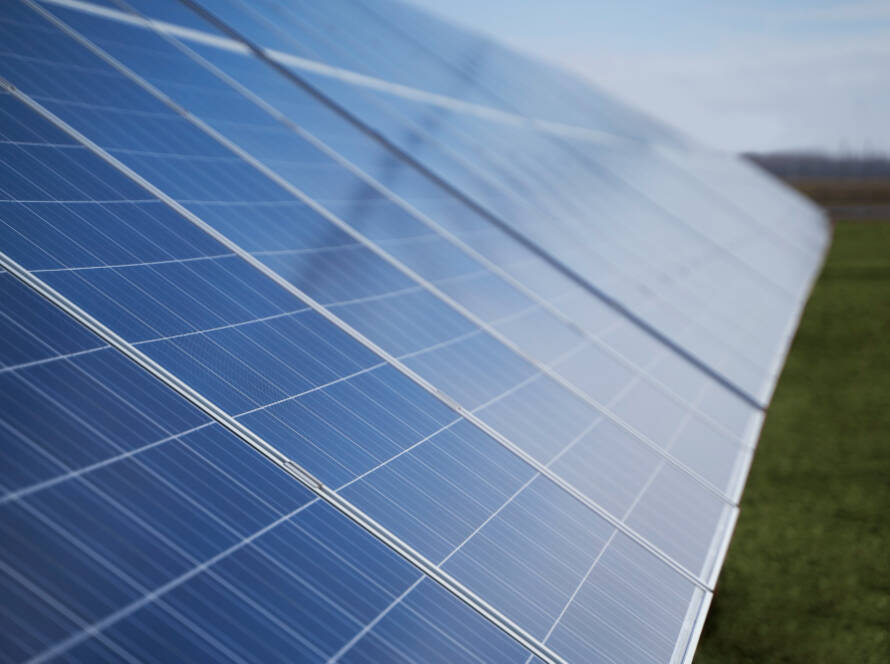
Ground-Mounted Solar Systems
Ideal For:
Factories, warehouses, farms, institutions, and solar parks.
Advantages:
- Flexible layout, tilt angle, and orientation
- High-capacity installations (100 kW to multi-MW)
- No structural load on buildings
- Easier maintenance access
- Higher energy yield due to better optimization
Challenges:
- Requires open land
- Civil work and fencing increase project cost
Which One Is Right for You?
-
Choose rooftop solar if you want a cost-effective, space-saving solution.
-
Choose ground-mounted solar if you need large-scale energy generation and maximum optimization.
Conclusion
Both rooftop and ground-mounted solar systems offer exceptional value. The right choice depends on your available space, energy demand, and long-term goals. Dudani Renewables can help assess your property and design the perfect solution.